
- Start with the problem you have
- List of recipes
- Lift spend per head with a live upsell leaderboard
- Cut labour cost with daily target visibility
- Automate manager logs and regular reports
- Identify and correct inventory variance and wastage
- Stop paying different prices for the same item
- Lift GP by 3–4% with menu engineering
- Monitor discounts, voids and tips
- See budget versus actual daily, not at month-end
- Questions about the recipes
We’ve put together the most popular use cases to help you think about where you could optimise your restaurant. Each use case contains a step by step demo and guide for how you can supercharge your performance.
“I have never seen such engagement and positive responses from right across a business as I’ve seen with the implementation of the Tenzo connector in Claude.”
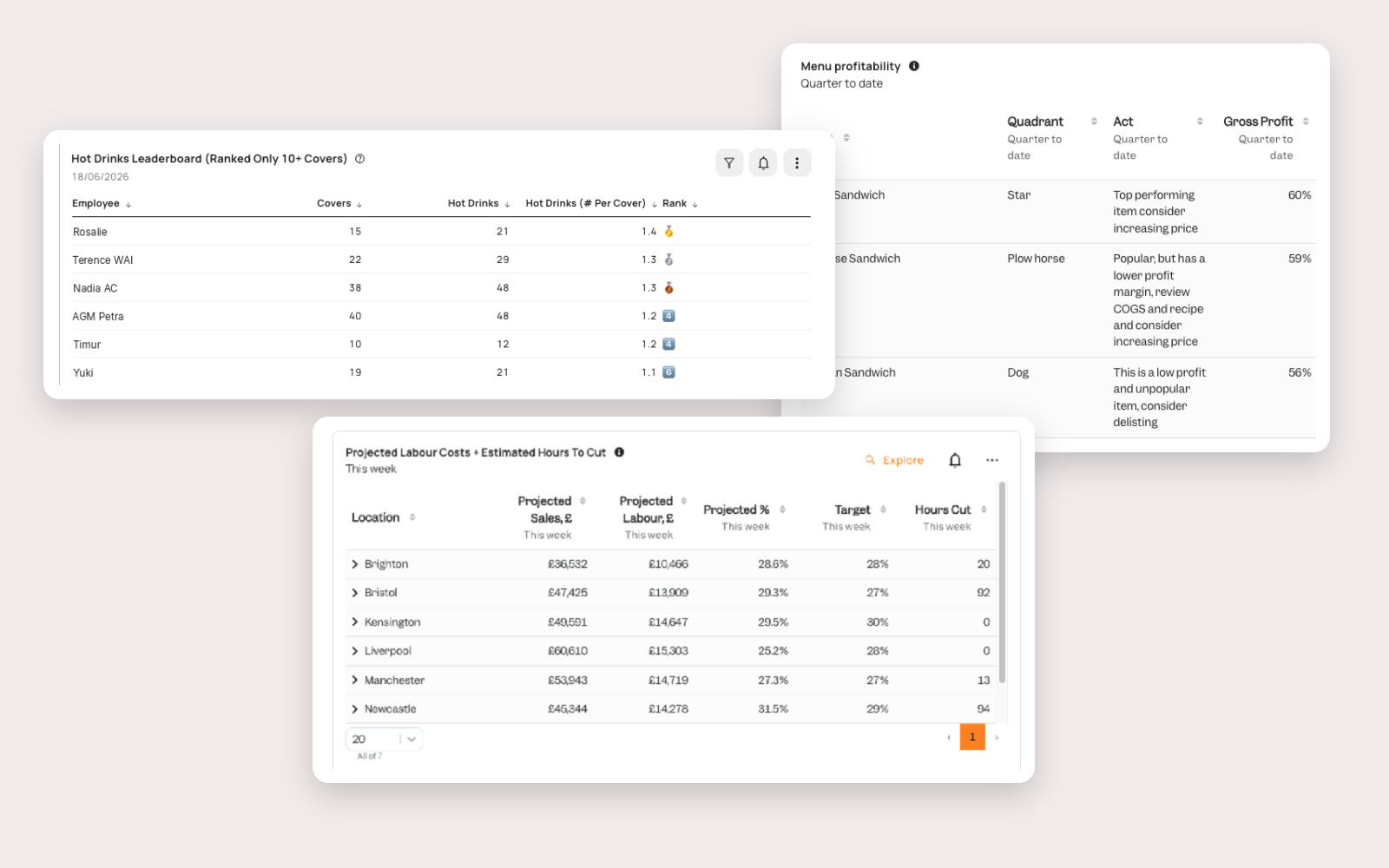






 and many more
Start with the problem you have #
List of recipes #
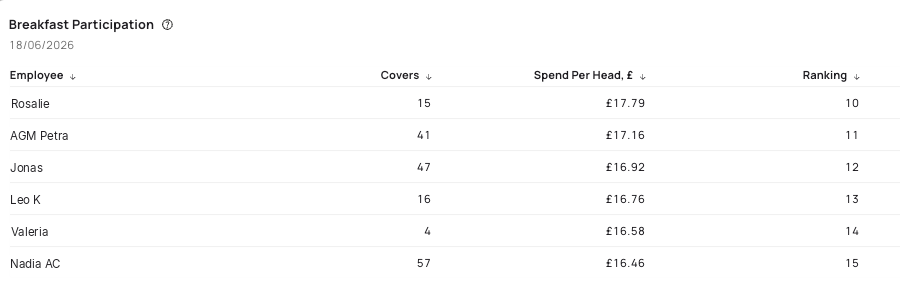
Lift spend per head with a live upsell leaderboard #
Rank your floor team on spend per head, live during service, and let them compete for it. Coaching moves from the Monday review into the shift itself.
+20p — per guest, and £1.0m a year across 11 sites. The one site that didn’t run it didn’t move.
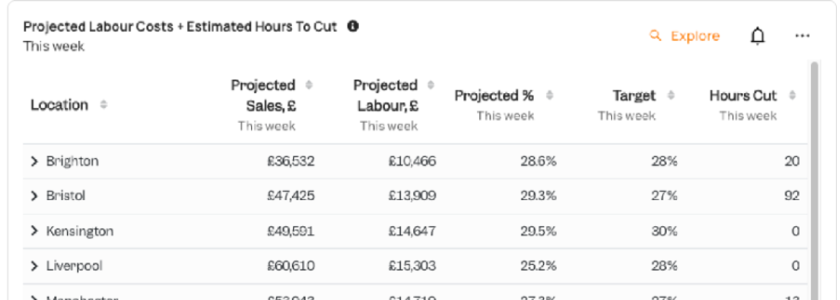
Cut labour cost with daily target visibility #
Give every GM a live view of where they stand against target, with the hours to cut already worked out.
Two points off labour cost
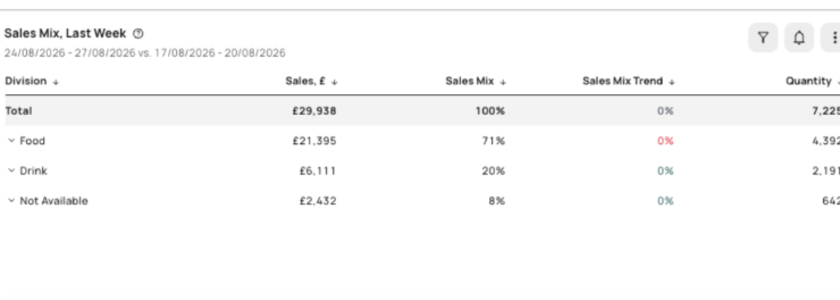
Automate manager logs and regular reports #
The numbers fill themselves in. Managers write only what no system can capture — what actually happened on the floor.
Reporting time cut 75%; 5 hours a week back
Identify and correct inventory variance and wastage #
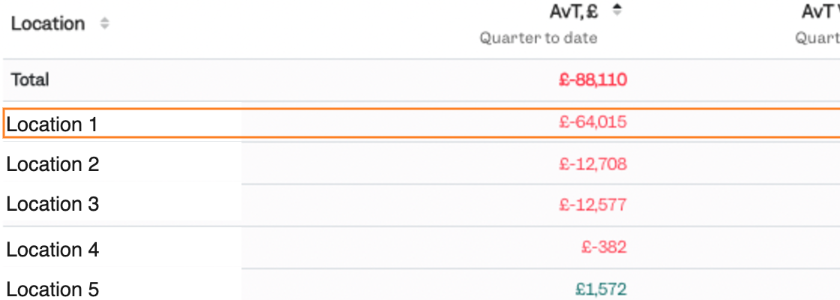
Drill from site to category to item, then compare that one item back across every site to find the cause.
Anonymised · 5 sites — £183k surfaced in a quarter, 73% of it in one site
Stop paying different prices for the same item #
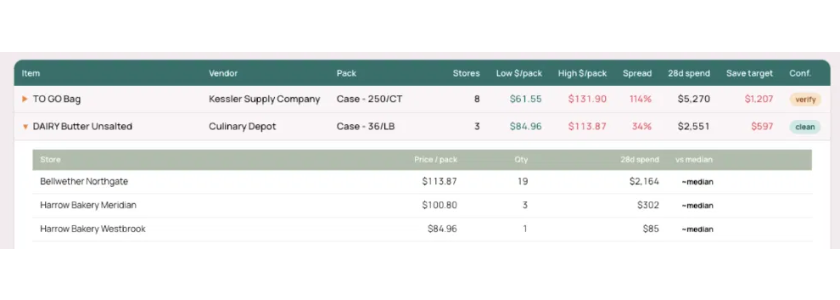
Work out what each site really pays per unit, then rank the gaps by what closing them is worth.
Three points off prime cost — $24,116 per 28 days from standardising alone
Lift GP by 3–4% with menu engineering #
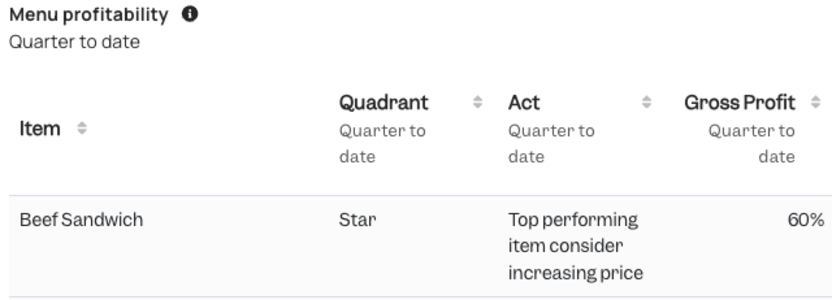
Grade every item on profit against popularity, then re-price, re-cost or drop it — and hold the gain weekly.
3–4% GP improvement — Showing up in weeks rather than quarters
Monitor discounts, voids and tips #
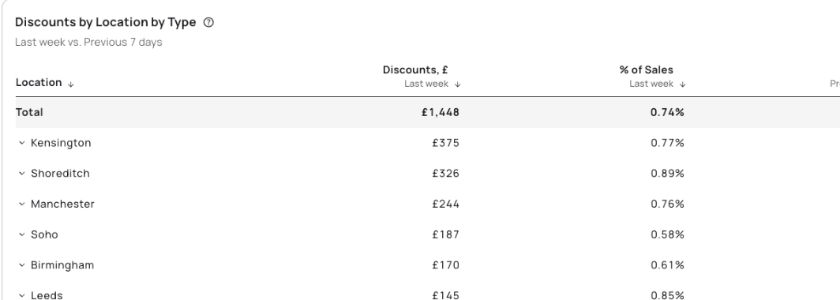
Normalise by sales so a busy section isn’t penalised, then open the actual transactions before anyone accuses anyone.
Anonymised · multi-brand — £50k a year recovered
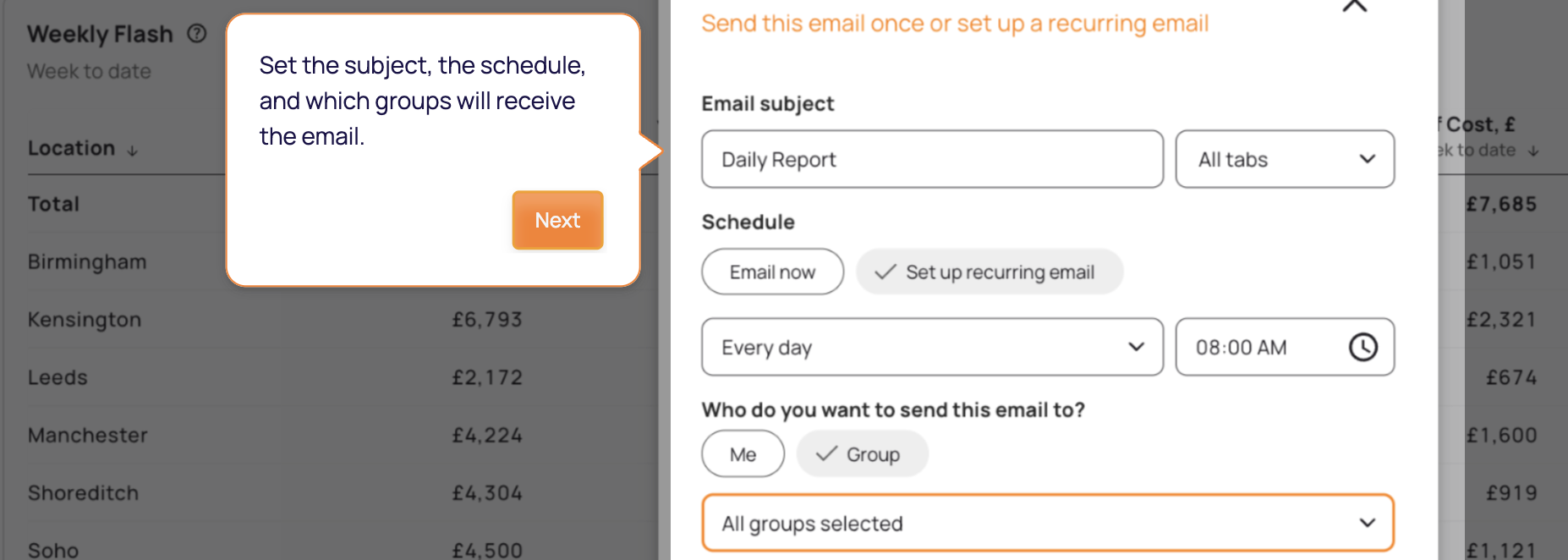
See budget versus actual daily, not at month-end #
Upload budgets by site and revenue centre, build the flash the way finance reads it, then send it to every team before service starts.
£100,000 a year saved — Incipio, six venues, after replacing a self-built Power BI stack
Questions about the recipes #
Or ask your account manager — they’ve watched groups run these.
Which recipe should we run first? #
The one matching the number you’re being asked about this month. If nothing is urgent, start with end-of-day reports — it takes the least setup, gives managers time back immediately, and the context it captures makes every other recipe easier to run afterwards.
Do we need every Tenzo module to run these? #
No. Each recipe lists exactly which modules and which parts of your own stack it needs, at the top of the page. Several run on sales data and a POS alone. The inventory and purchasing recipes need stock or purchasing data as well.
How long does a recipe take to set up? #
Most are an afternoon of configuration and then a habit. The build is rarely the hard part — the recipes that work are the ones where someone owns the weekly or in-shift routine afterwards, which is why each recipe names the team that runs it.
Are these only for multi-site groups? #
Four of the seven work on a single site — upselling, labour, end-of-day reports and menu engineering. The cross-site purchasing and inventory variance recipes depend on comparing sites against each other, so they need at least three or four.
Can we suggest a recipe? #
Yes, and most of these came from operators doing exactly that. If you’ve built something in Tenzo that moved a number, tell your account manager and we’ll write it up — anonymised if you’d rather.


